
Portugal
A month of farm work, ancient castles, and one enormous cocktail
video
Arrival
Porto’s Perfectly Imperfect Charm
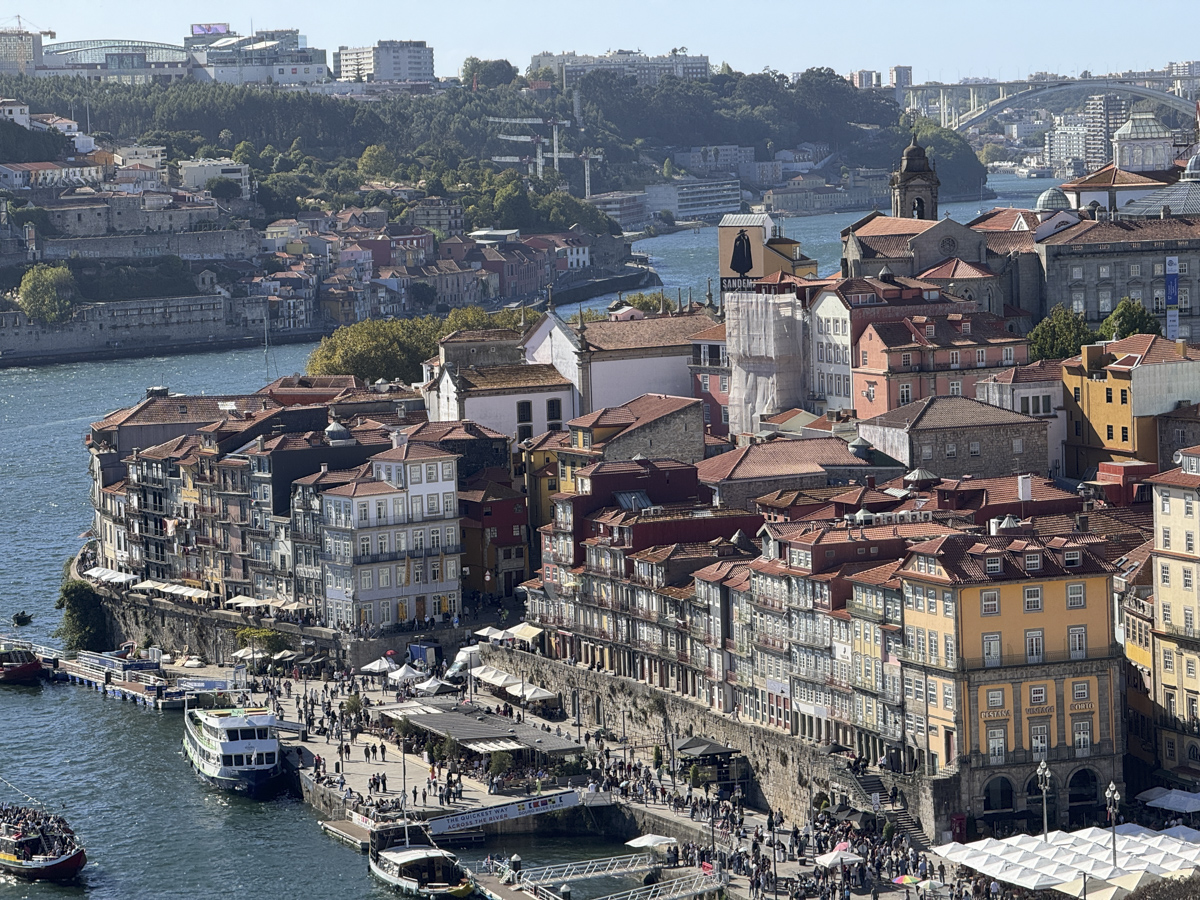
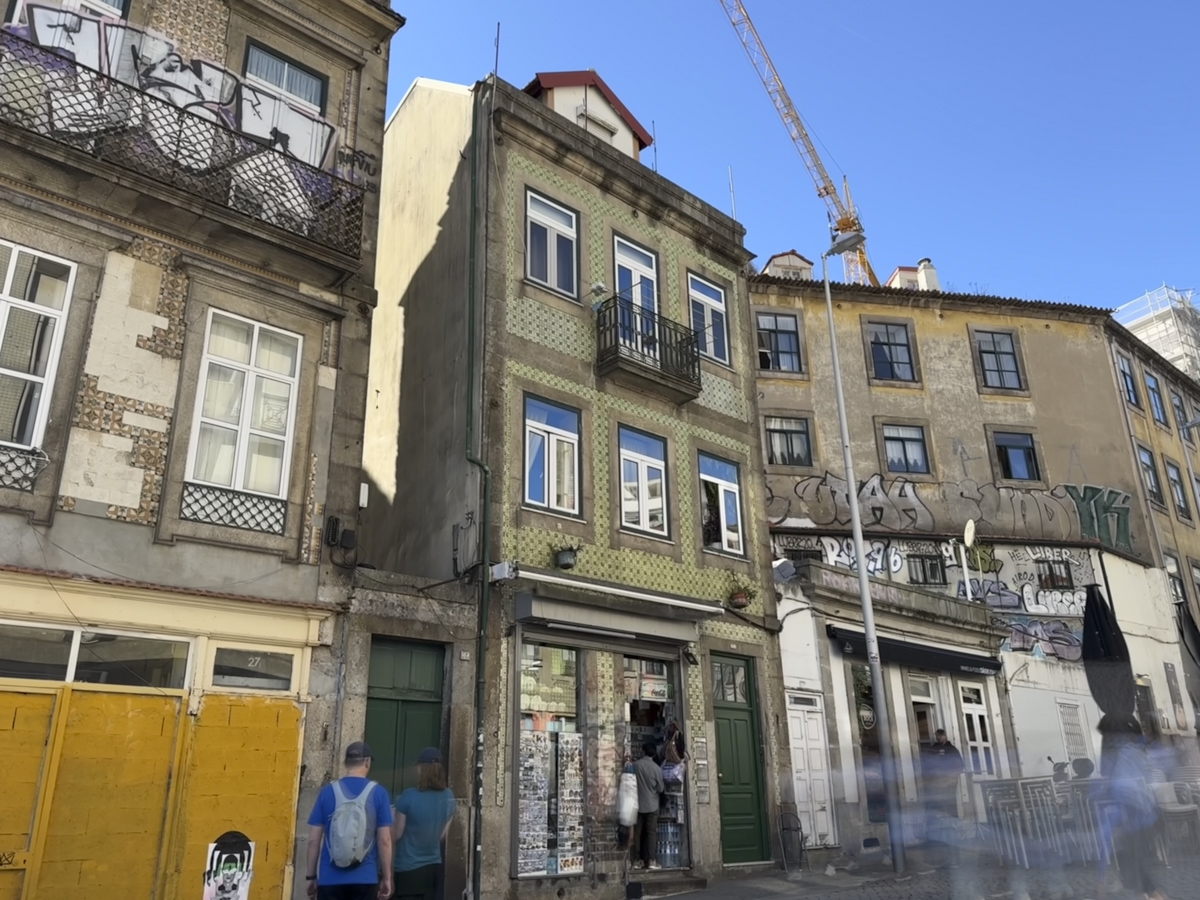
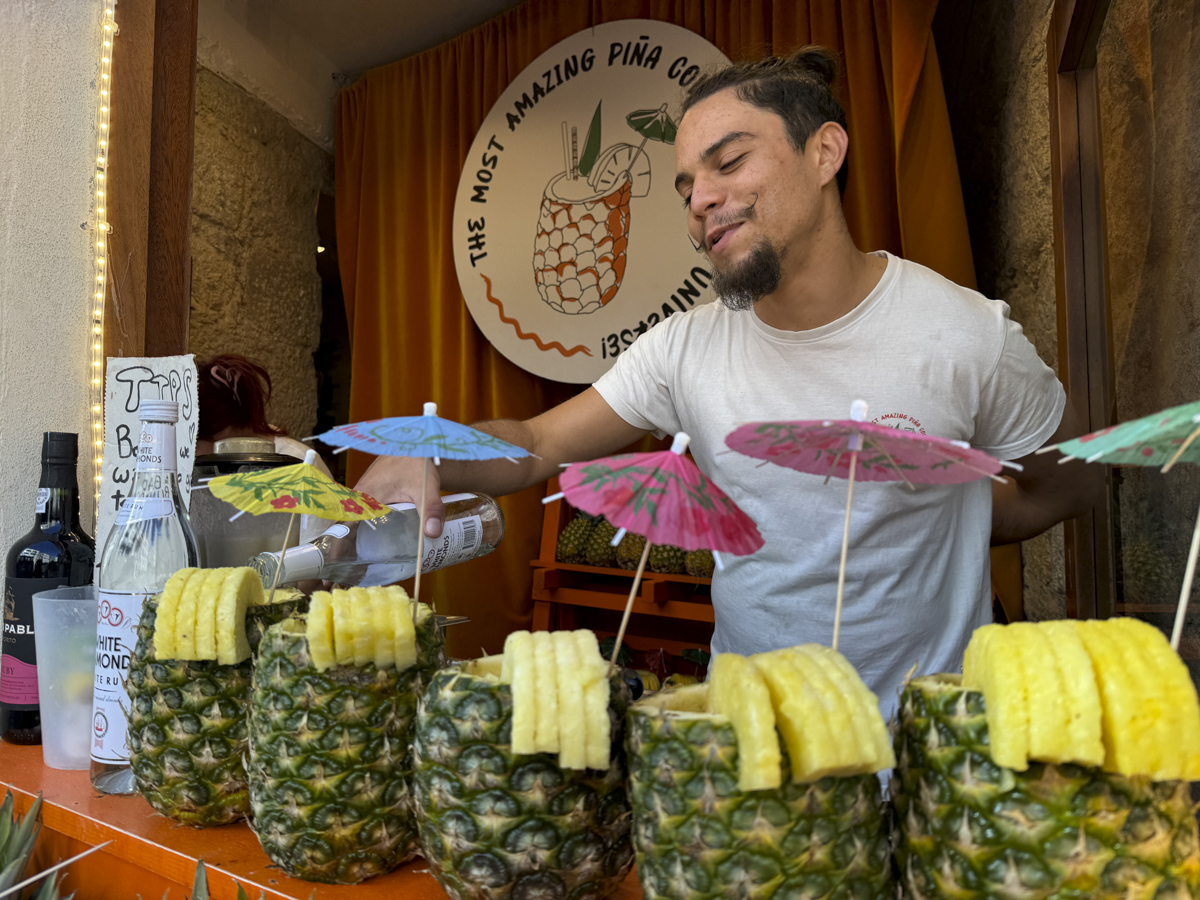
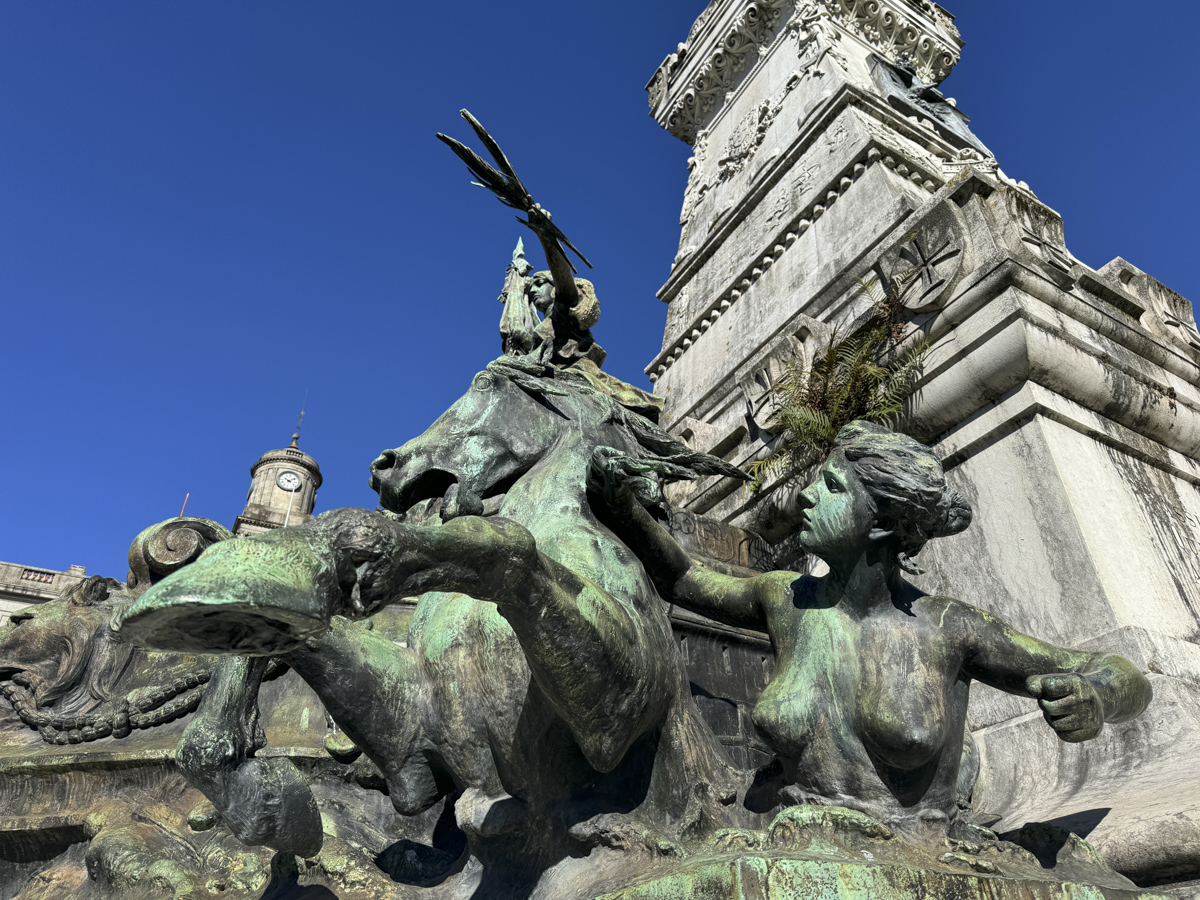
We kicked off our Portugal chapter in Porto, thanks to a nudge from an artsy friend who insisted we’d love it. He was right. Porto has a slightly gritty charm, in the best possible way. A bit weathered, full of colour and character, with street art punctuating closed store fronts. It felt vibrant and safe, like a city comfortable in its own skin. We wandered across the Dom Luís I Bridge, explored side streets, and at one point Randy treated me to an outrageously big—and quite strong—piña colada served in an actual pineapple.
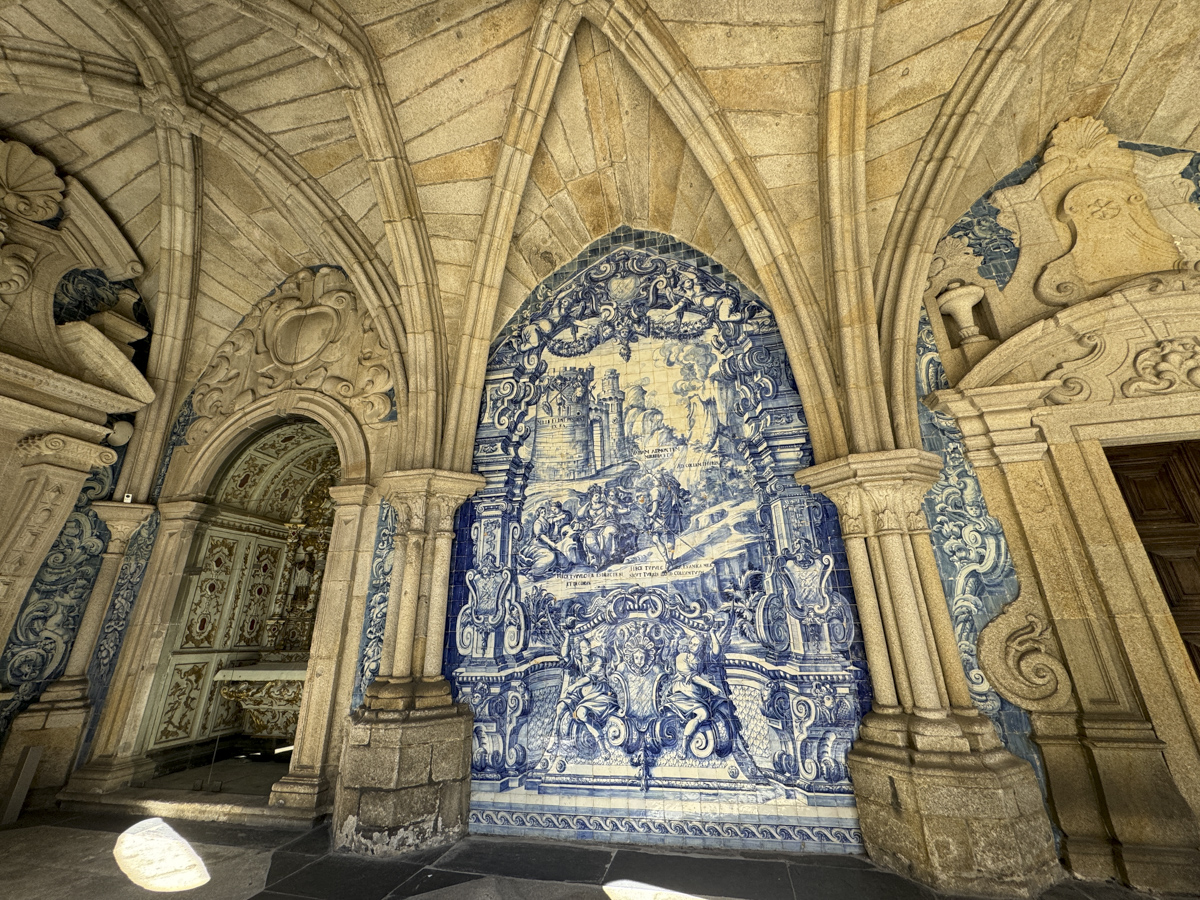
A highlight was visiting the Porto Cathedral, one of the official starting points for pilgrims walking the Camino Português. A motif we saw in Italy, France and Portugal, a scallop shell, marks the beginning of the journey. Pilgrims often wear this symbol on their backpacks signifying their intent. People walk the Camino for all sorts of reasons—religious, spiritual, fitness, closure and curiosity. Standing at the one of the start points felt surprisingly moving, even as bystanders.
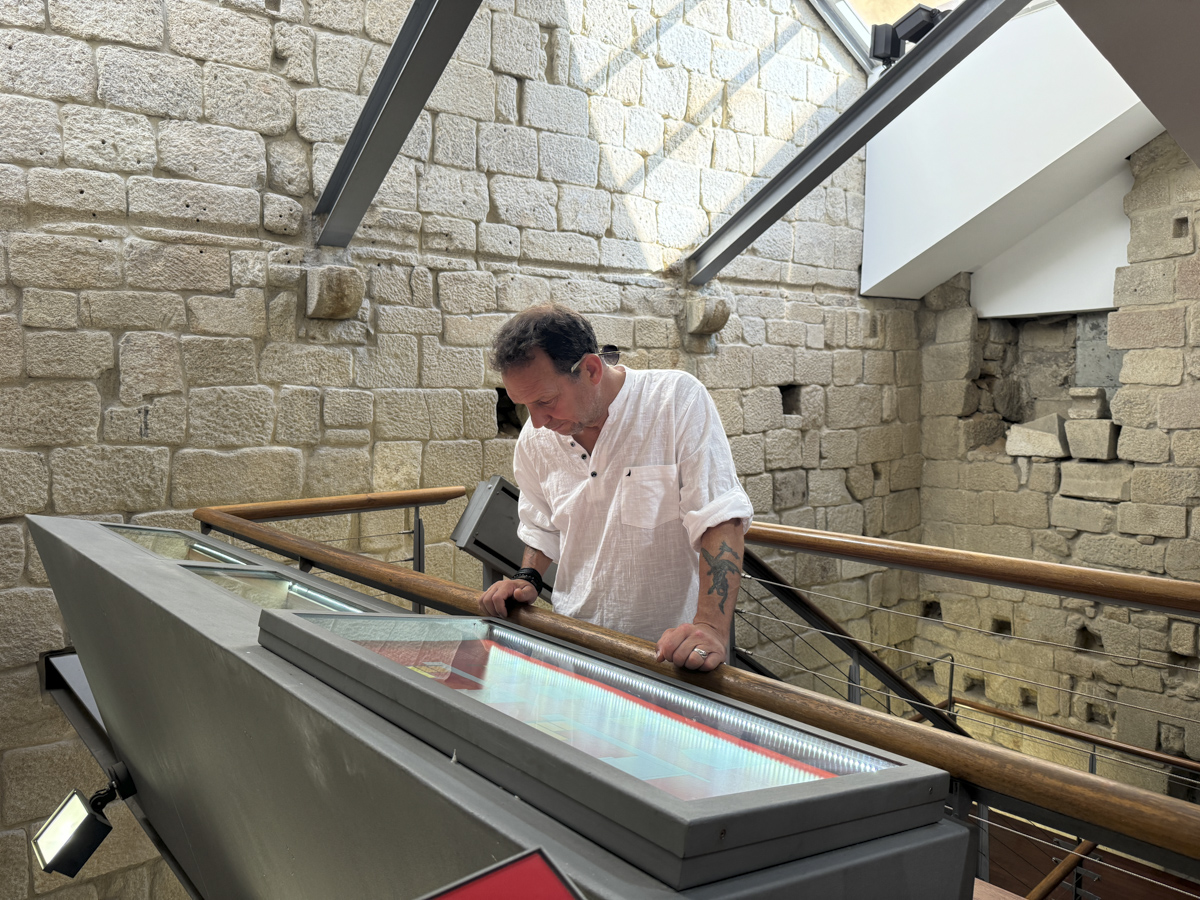
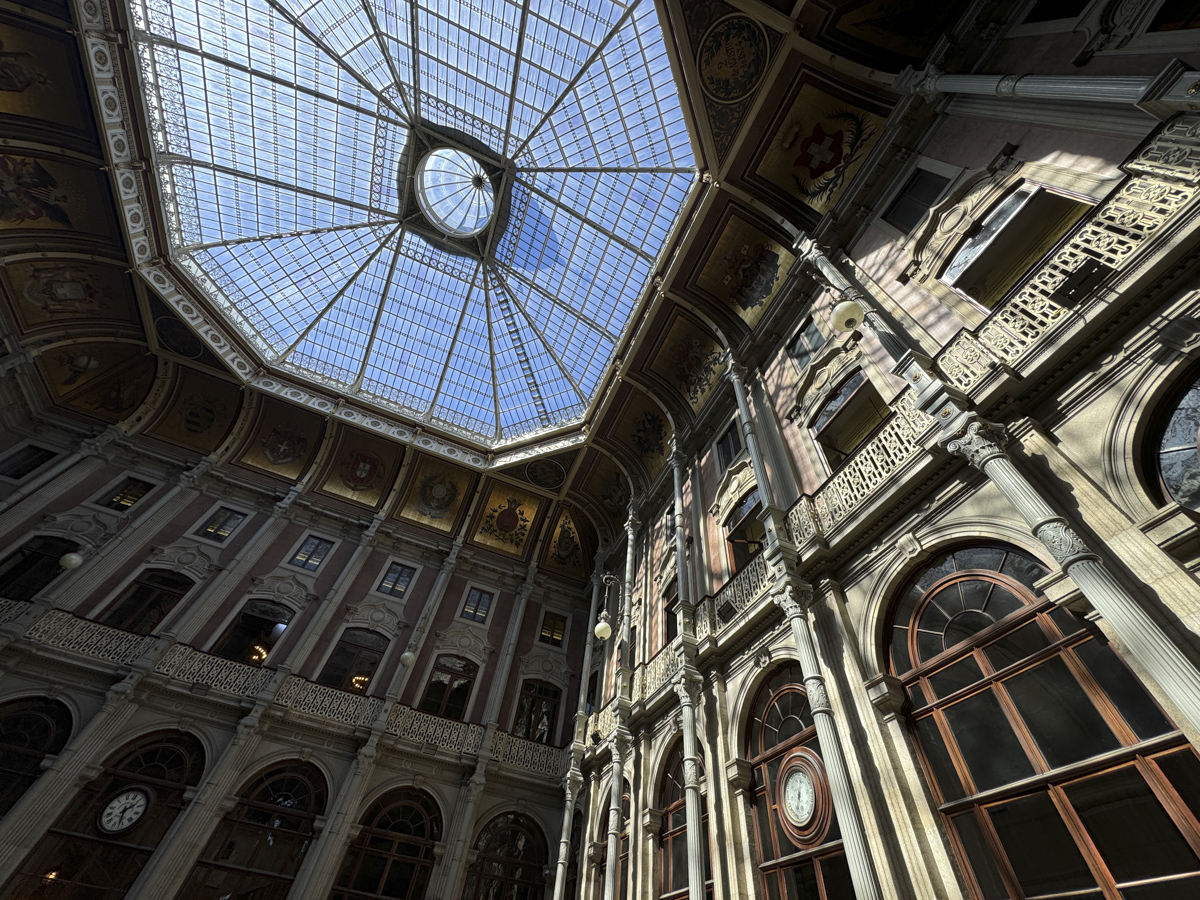
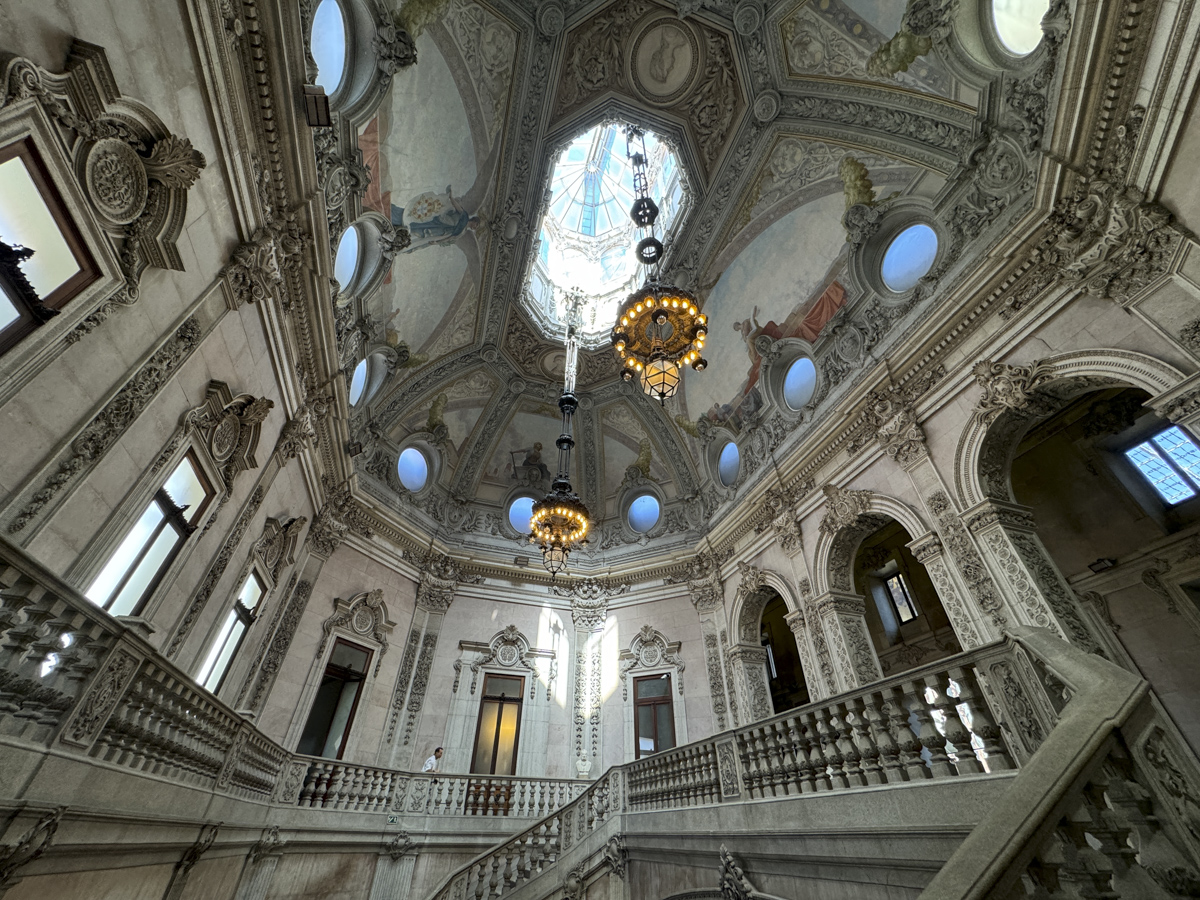
We toured the city’s history museum and the ornate Palácio da Bolsa. The Arab Room left me quite speechless—19th-century opulence at its peak, covered in intricate designs and nearly 18 kilograms of gold leaf. Portugal’s former wealth encapsulated in a time capsule of extravagance.
After a few days in town, we hopped on a train to the real reason we’d come to Portugal: a permaculture farm offering a PDC (Permaculture Design Certificate). Randy was the motivation behind this one—he wanted official training before launching his homesteading adventure on his land in northern BC. I volunteered in the kitchen for two weeks, made a marketing video for the farm, and later joined the natural building course.
Keela
Permaculture Farm
Life at Keela was full of surprises—like the night a fellow student found a scorpion on the path to our caravan. Apparently, they’re supposed to be hibernating. I guess this one missed the memo.
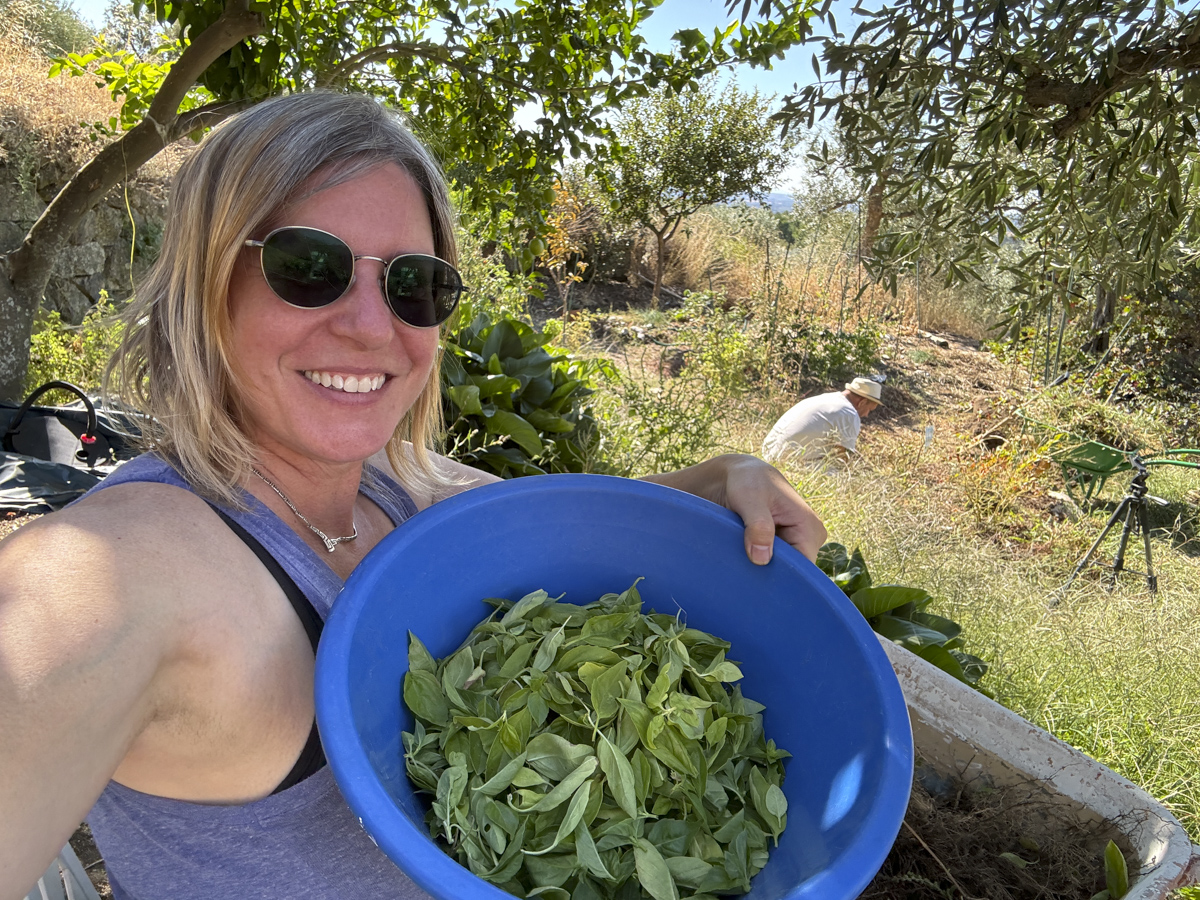
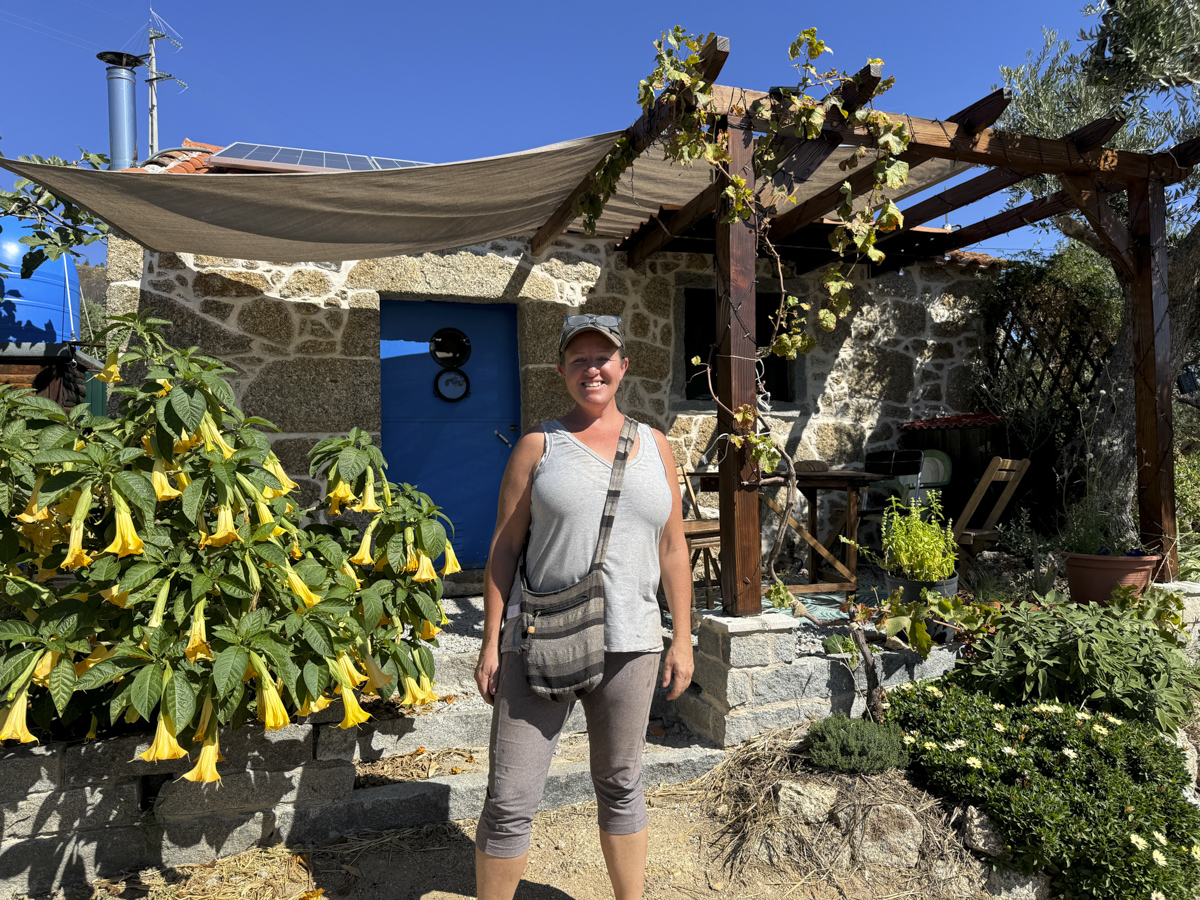
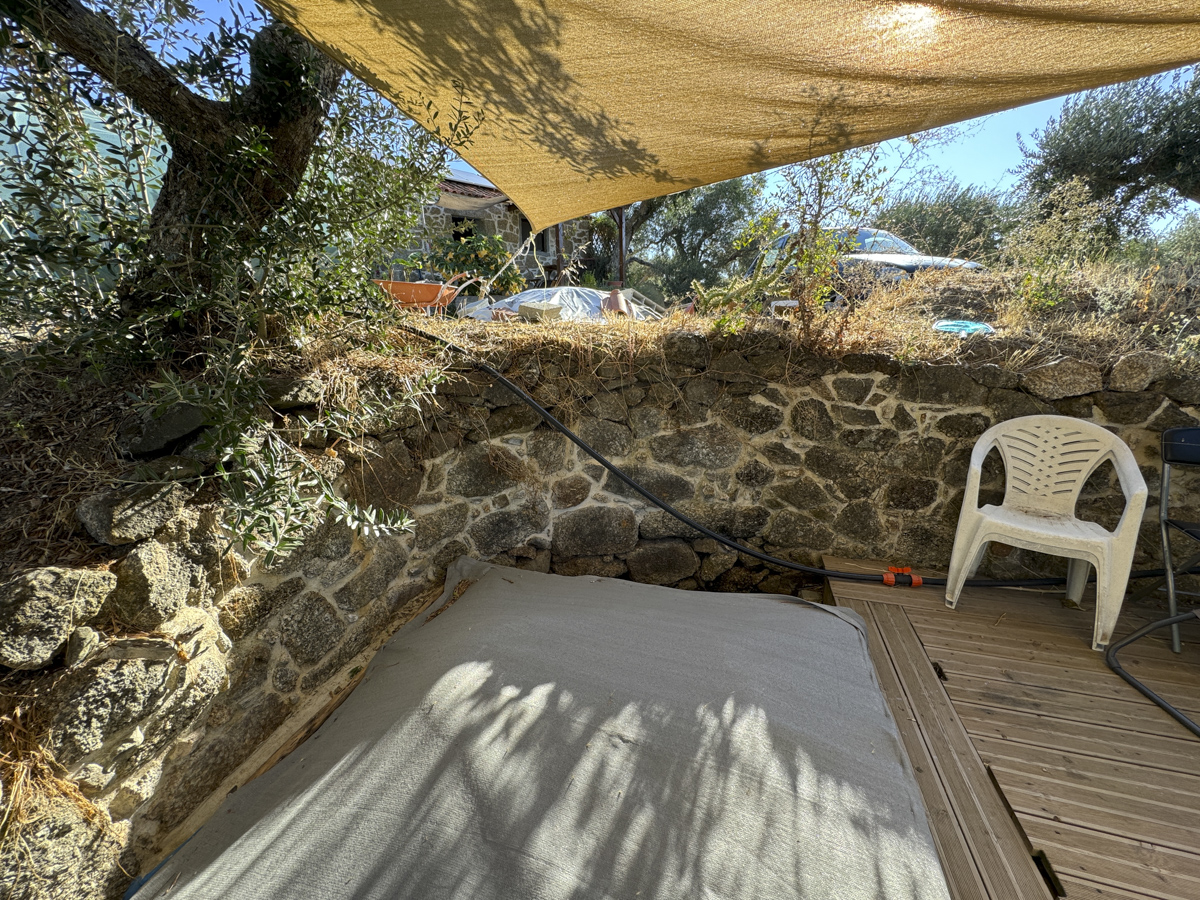
We spent a field trip day visiting a fellow Canadian expat living on a half-acre property nearby. She’d transformed an old stone shed into a charming home and filled the land with fruit trees—lemons, oranges, and olive trees that long predated any of us on this earth. She has a great YouTube channel if you’re curious: Portugal From Scratch.
A wildfire swept through the area about 15 years ago, but cork trees—miraculously fire-resistant—survived. Their dense bark is basically nature’s flame-retardant suit. Who knew?
We also had a fantastic soap-making workshop led by a German chemist living in the area. I can’t wait to try soap-making once we settle on Randy’s property.
After two intense weeks of training, Randy officially earned his Permaculture Design Certificate. He’s now a certified hippie farmer. The following week he rolled straight into the “permaculture in practice” course, while I prepared for the natural building workshop.
Randy also added “sheep wrangler” to his resumé. A ewe had a miscarriage shortly before we arrived and needed treatment. She had to be gently taken down to apply medication, and Randy—with his farm-hand energy—was the right man for the job.
Side Quest
Mysterious Knights Templar Ruins and Giant Rocks
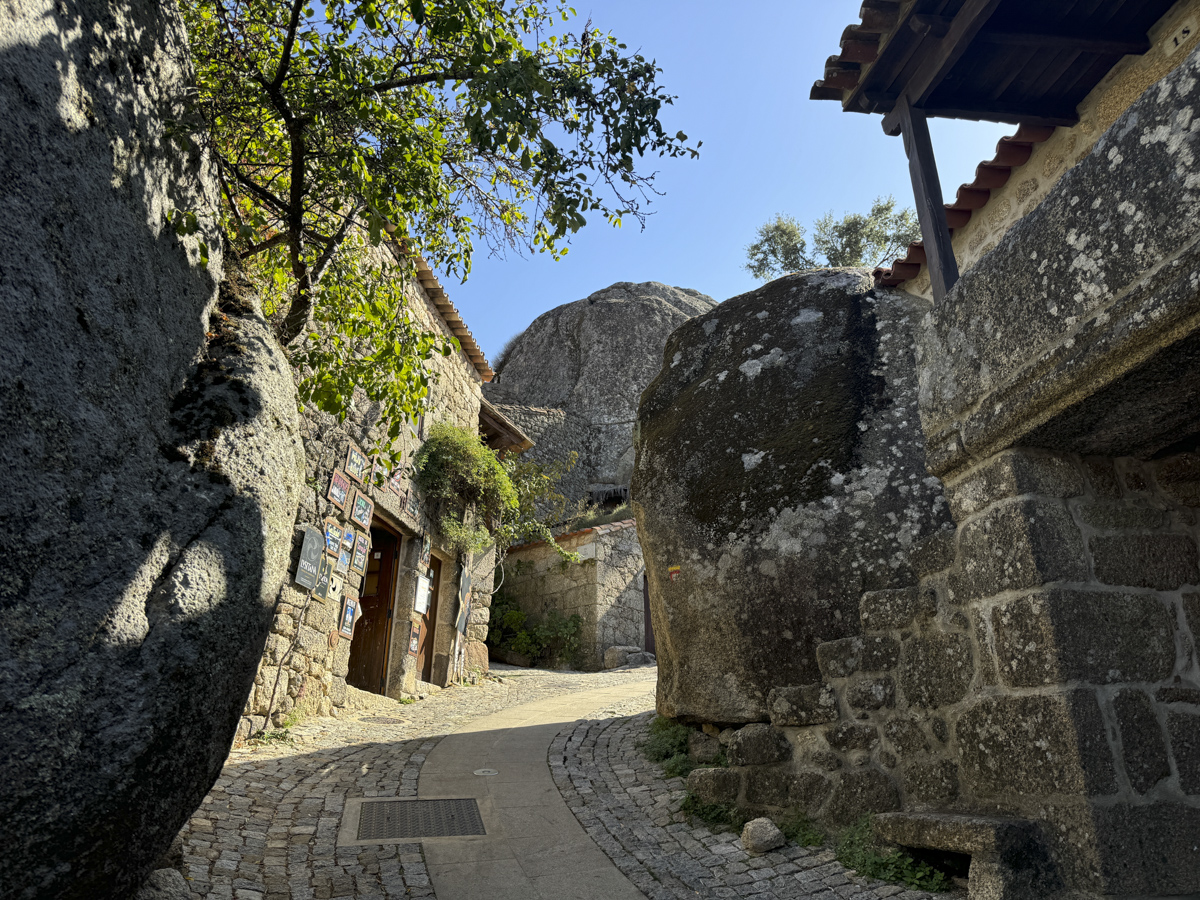
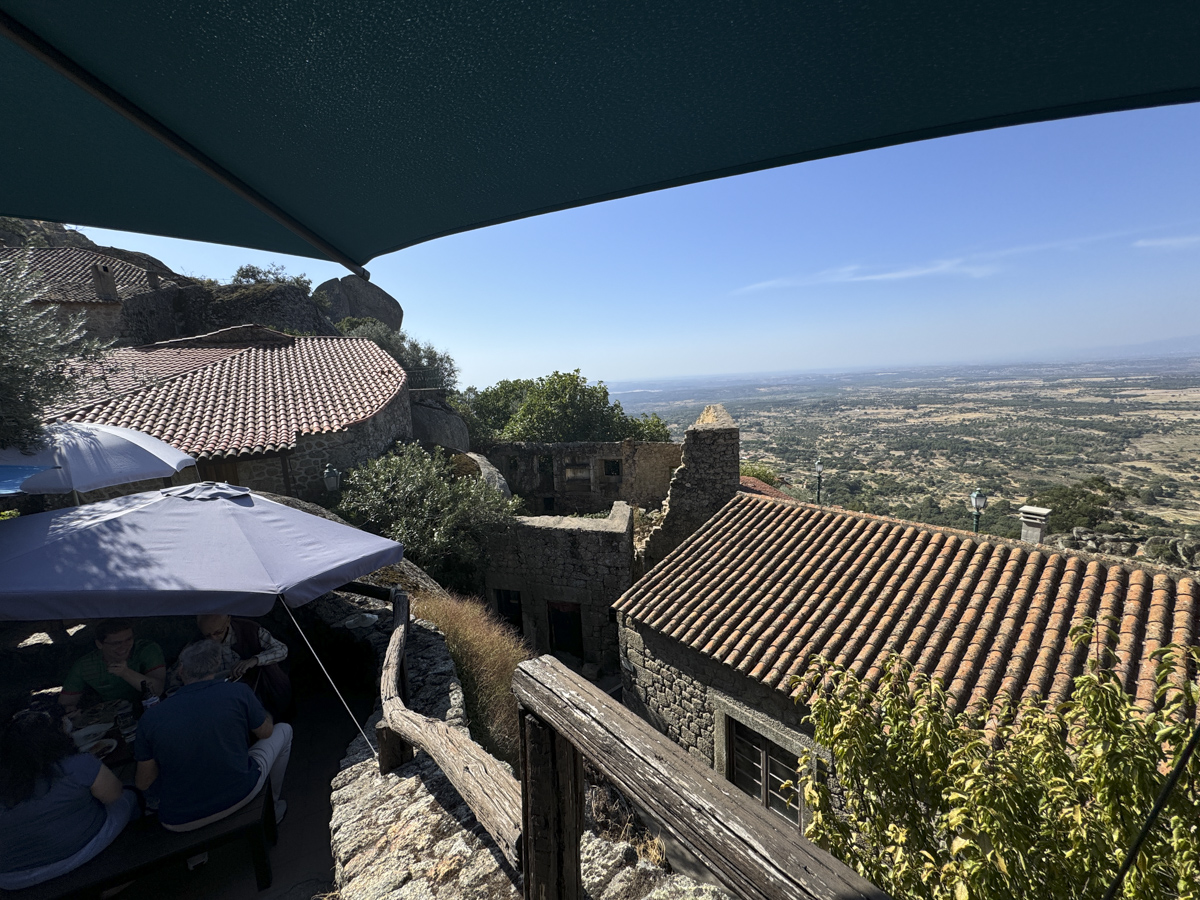
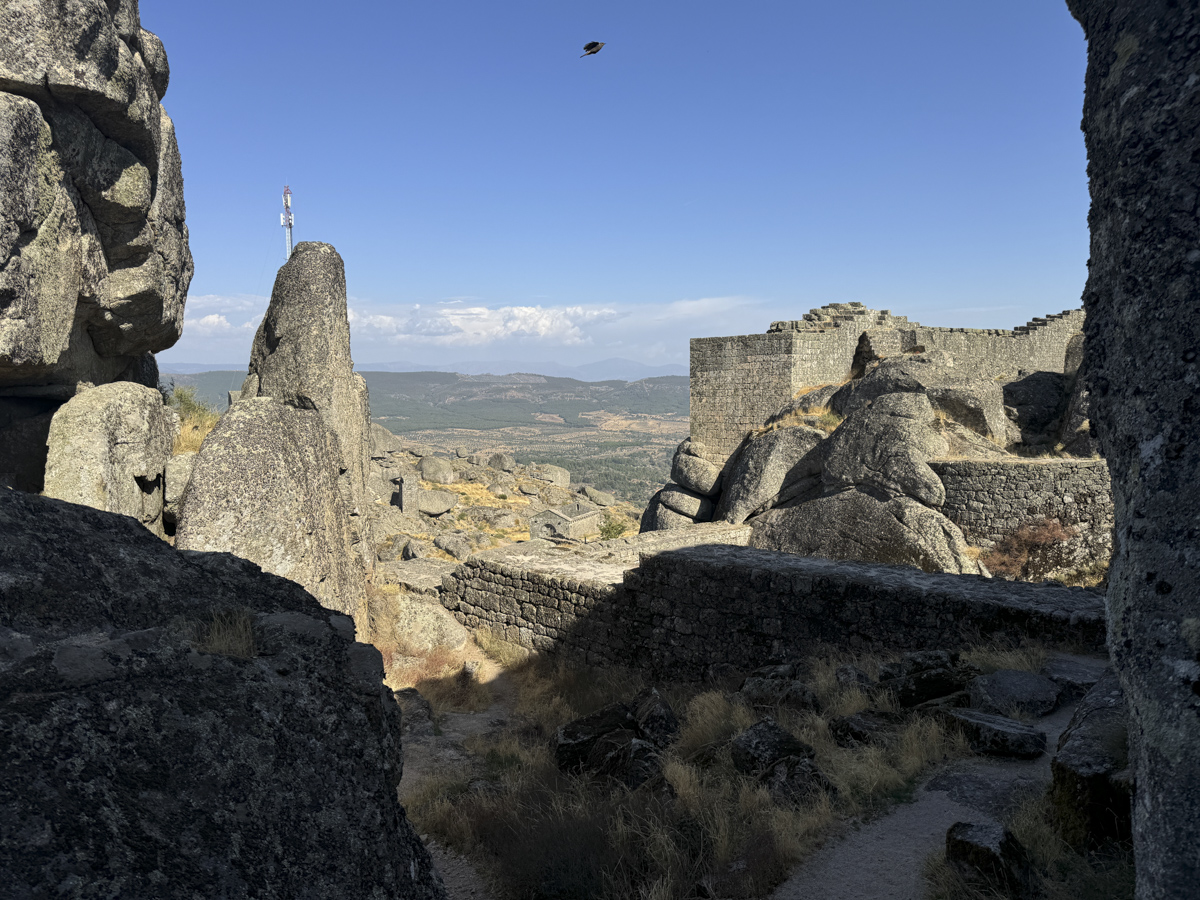
We snuck away for a two-night retreat in Monsanto, an ancient village scattered with massive boulders and home to a Knights Templar castle perched dramatically on the hilltop. It’s one of those surreal places that feels half fantasy novel, half history lesson. Some even theorize the Templars staged their move to the treasure-hunter’s obsession, Oak Island, from here.
The walk up from our accommodation was definitely “leg day,” but worth every step.
Natural Building
The Farm: Where Our Real Education Began
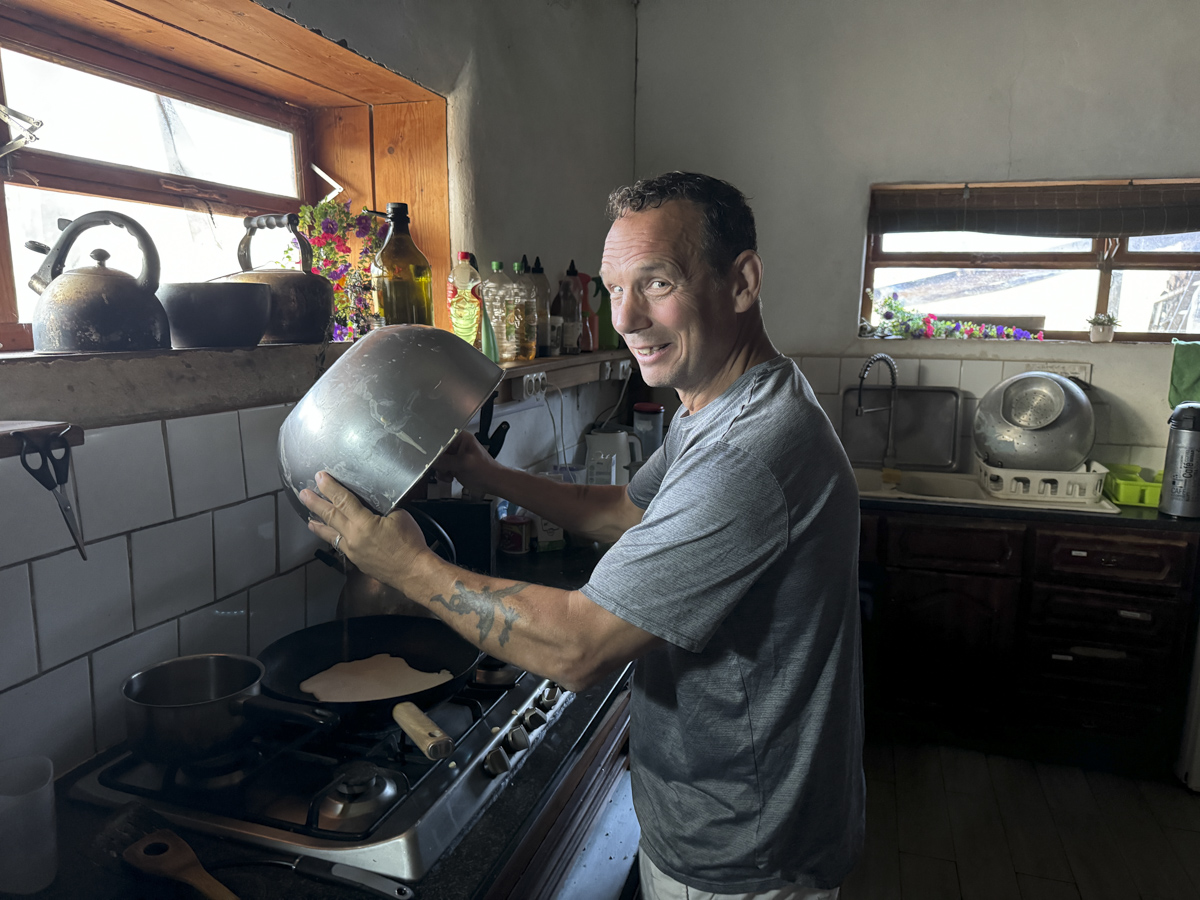
Back at the farm, I volunteered in the kitchen—lunches, dinners, cleaning shifts, the whole shebang. The most number of people I’d ever cooked for was around six — this time, it was 28! Laurence, the owner’s, partner Becky who is a magician in the kitchen, told me to throw “a few potatoes” in the stew … to which I asked like three? To which she laughed and replied no, twelve.
The lovely Bonnie from Lancashire made me a beautiful dried bouquet of healing herbs with handwritten notes explaining each one. Sadly it couldn’t come with me (customs and backpacks both said no).
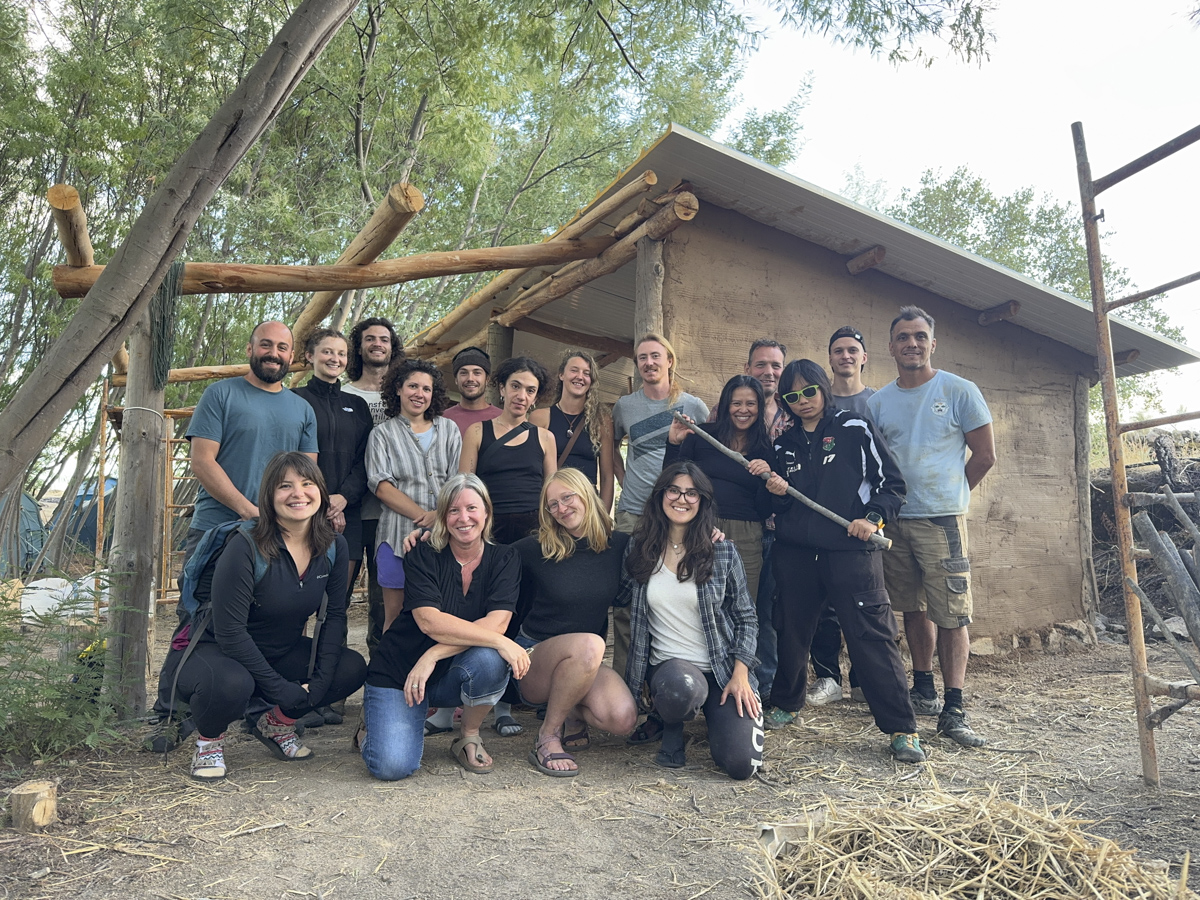
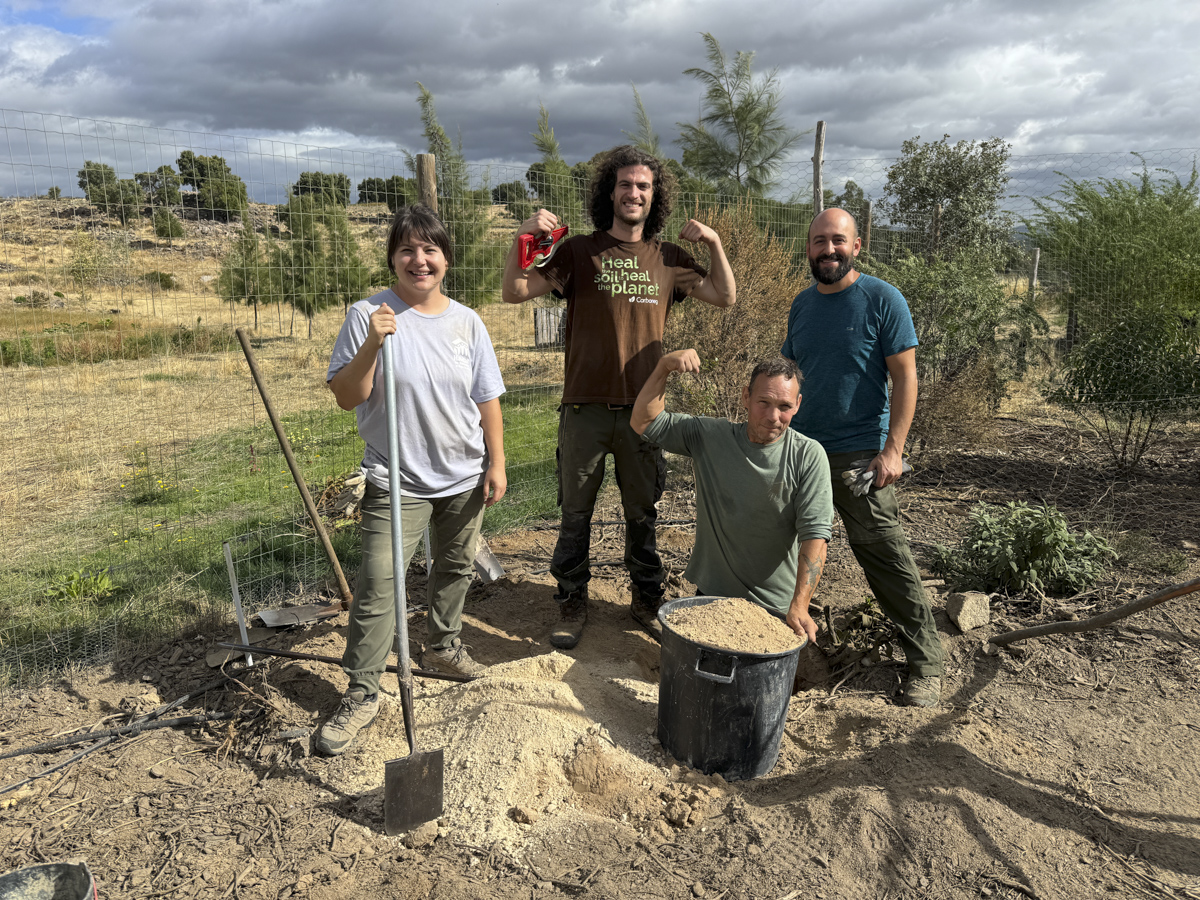
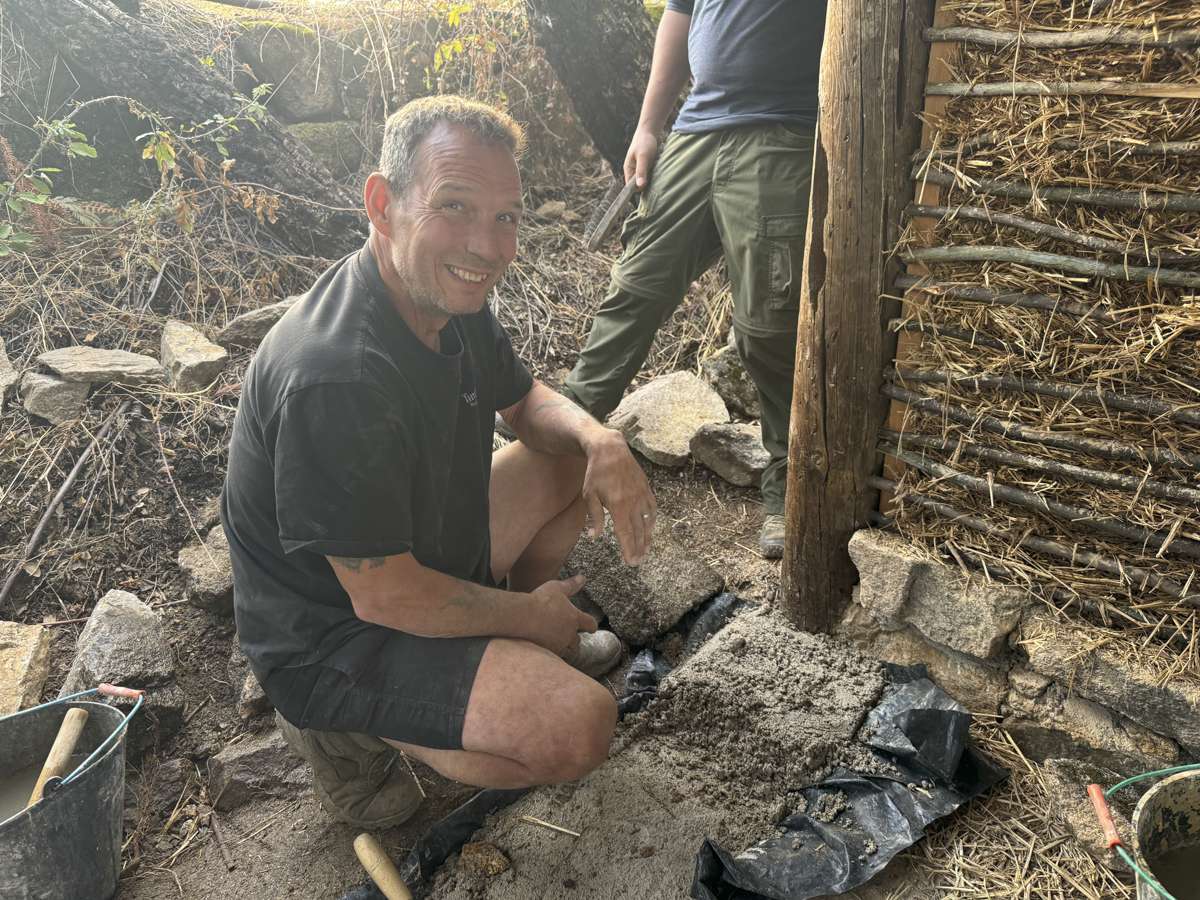
Then the natural building course began. Laurence is expanding the farm’s accommodations, so we helped construct a student dorm. We learned wattle and daub, mixed mud plaster, placed logs for a cordwood wall, and built a stone foundation using a “plug and feather” tool to split rock. Our instructor Carey shared the funniest story about accidentally seeing a set of… very unusual tools online when she was just trying to replace her plug-and-feathers set.
We also learned “pointing,” a meditative process of packing stones and mortar into the gaps between larger foundation rocks. I got totally hooked on it. It’s quiet, earthy work—very grounding.
Saying goodbye after a month was surprisingly emotional. We found our tribe at Keela: bright, creative, neurospicy folks who genuinely want to make the world better. It felt like leaving family.
Lisbon
Laundry, Naps, and Swanky Nomads
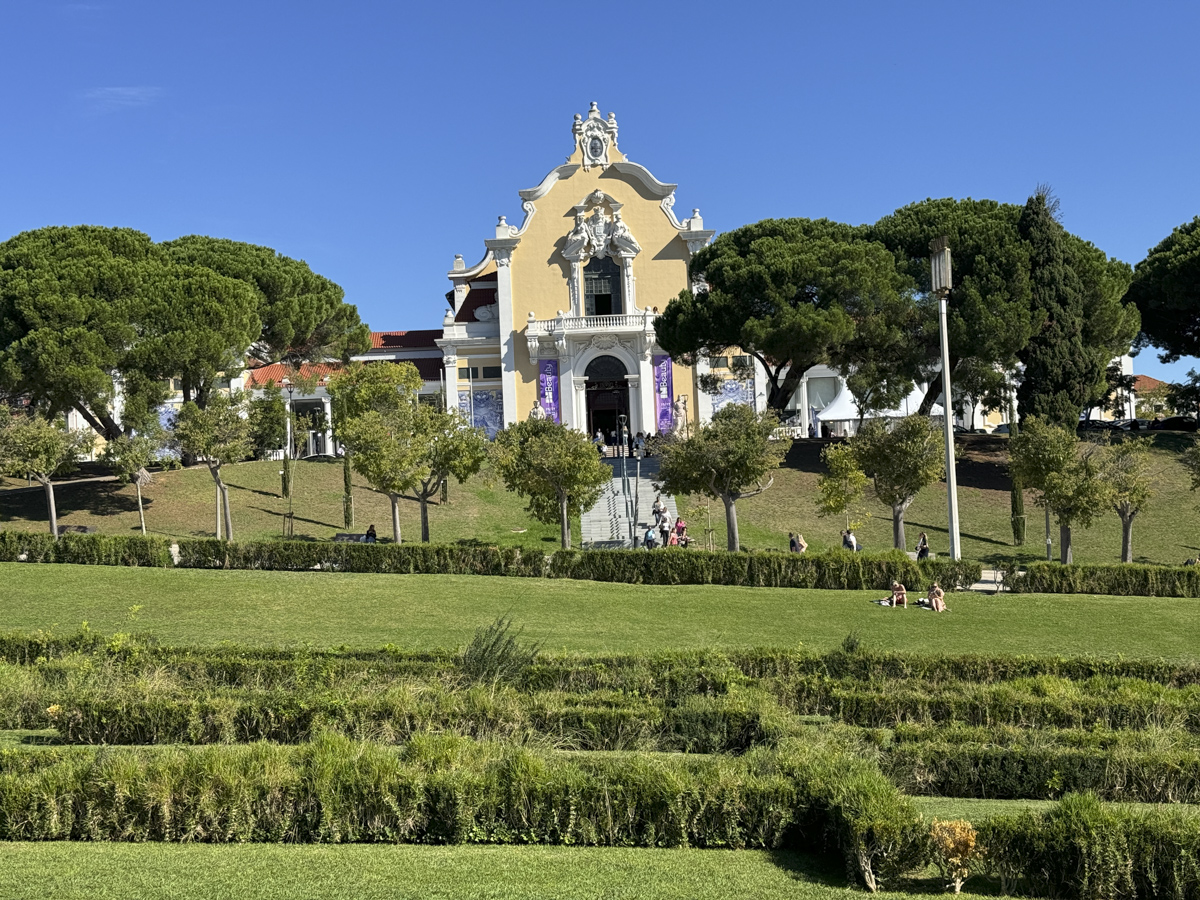
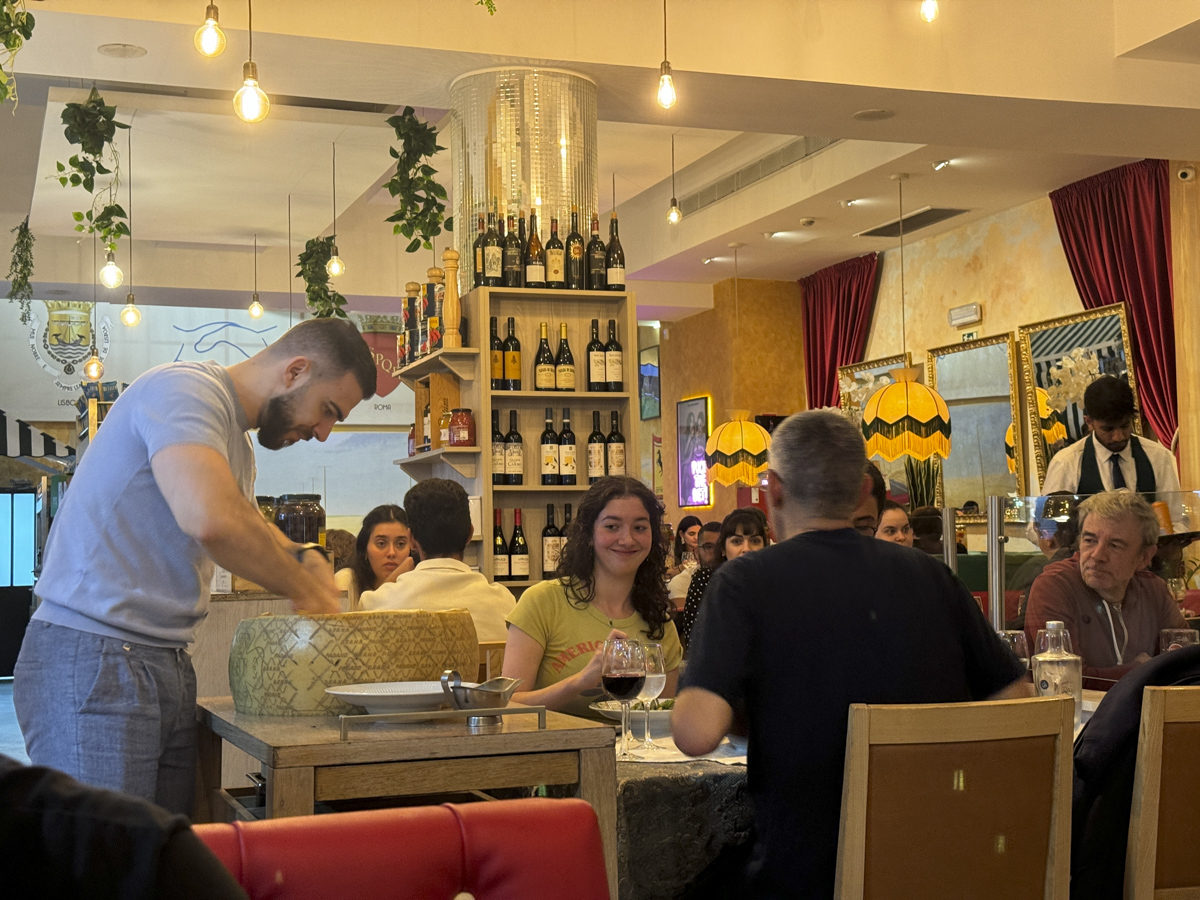
We only had a short stop in Lisbon and mostly stayed in our neighbourhood—doing laundry, napping, and decompressing after a month of farm life. We unintentionally ended up in a rather swanky, digital-nomad-dense area. So many laptops. So much expensive coffee.
Reflections on Portugal
Portugal exceeded expectations in many ways. Towns were cleaner and better maintained than we anticipated, and English was widely spoken—even in small villages. Prices varied wildly, though: Lisbon was shockingly expensive for dining out and staying, while rural areas were wonderfully affordable.
Overall, our time in Portugal left us inspired, educated, and full of gratitude—for the people we met, the skills we learned, and the beautiful landscapes we temporarily called home.